Global Health Alliance
Who We Are

Our HistoryFrom Local Roots to Global Reach

Scroll down

About Our History

GHA was founded in response to the personal experiences of our founders, Ikraan and Farhiyo, who faced severe healthcare challenges that highlighted critical gaps in access to medical resources.

Their father's near-death experience due to inadequate medical care in Somalia, and the tragic loss of Board Member Markabo Hassan's step-father in Ethiopia, underscored the urgent need for accessible, high-quality healthcare. These experiences ignited our founders' passion to create GHA, with the aim of preventing such preventable tragedies.

“We are motivated by ensuring that preventable healthcare gaps never claim another life—starting in our communities and extending worldwide.”

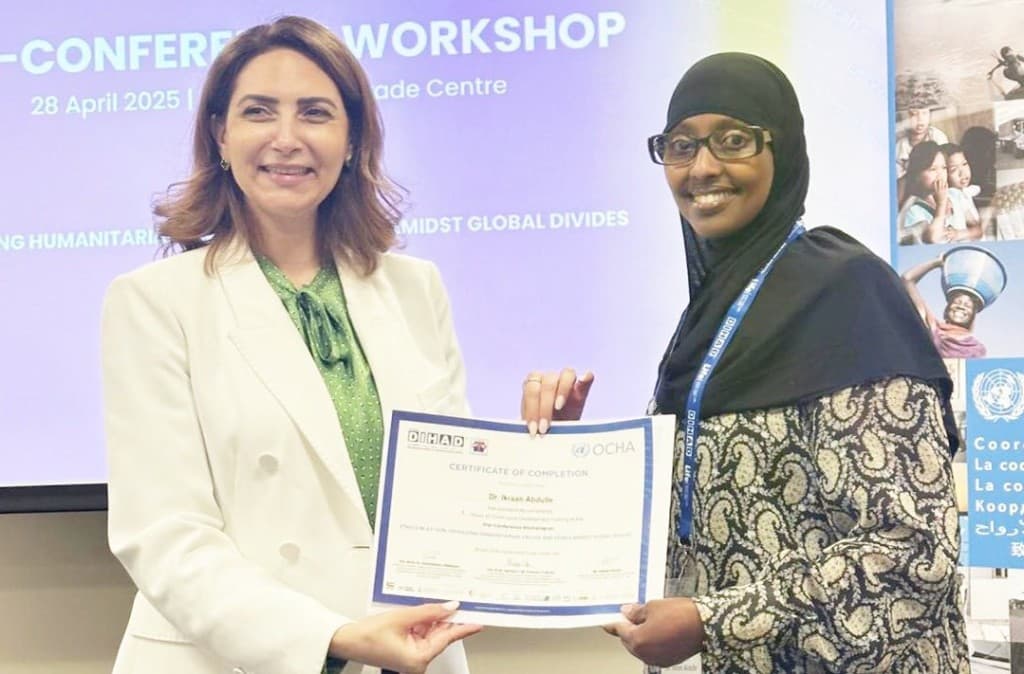
Dr. Ikraan Abdulle receiving a certificate of completion at the DIHAD conference workshop

Building resilient healthcare systems that last

Years Experience

6

Projects

40+

Professionals Trained

80+

Founder Stories

Personal experiences that shaped our mission to close preventable gaps in care.

  • My father's near-fatal experience due to lack of medical resources was a wake-up call. It made me realize the critical need for accessible healthcare in undeserved regions. GHA is my commitment to ensuring that no one else suffers because of preventable healthcare gaps.

    Ikraan

    Co-Founder, Global Health Alliance
  • Witnessing the loss of a loved one due to inadequate healthcare resources was devastating. It motivated me to co-found GHA, dedicated to bridging the gaps in global healthcare and providing essential medical supplies to those in need.

    Markabo Hassan

    Board Member & Co-Founder

Where our journey began with community health initiatives in Minneapolis

  • Providing culturally competent healthcare education to immigrant families
  • Organizing free health screenings in underserved neighborhoods
  • Collaborating with local clinics to improve access for non-English speaking patients
  • Mentoring aspiring healthcare professionals from diverse backgrounds

These local efforts laid the foundation for our broader mission and continue to be a cornerstone of our work today.

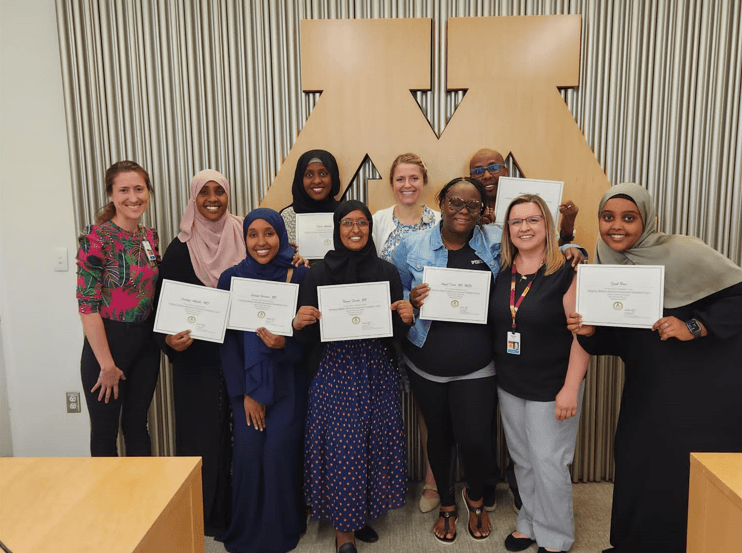
GHA training participants at the University of Minnesota

Bridging Local and Global

As we grew, we realized that our local experiences gave us unique insights into addressing global health challenges. Many of our team members, having personal connections to countries like Somalia, understood the pressing need for improved healthcare in these regions.

Our local work in Minnesota has directly informed our international efforts:

  • We've adapted our culturally sensitive healthcare education programs for use in Somalia
  • Our experience in organizing community health events in Minneapolis has been applied to rural outreach programs in Africa
  • The relationships we've built with Minnesota hospitals have facilitated donations of vital medical equipment to clinics abroad

This integrated approach allows us to bring culturally informed, community-tested solutions to healthcare challenges around the world.

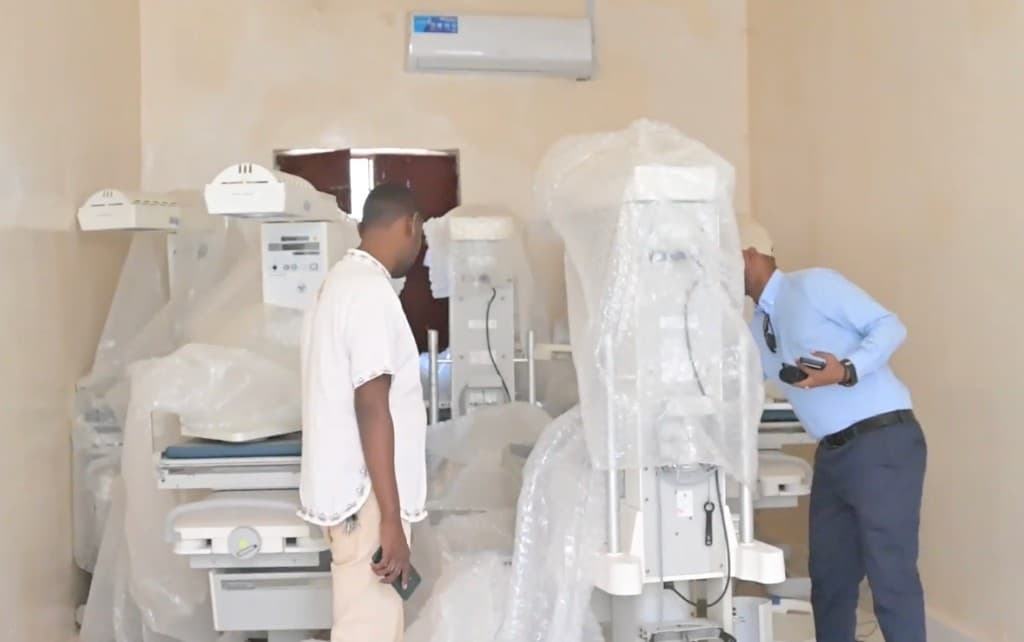
Medical equipment installation at Galkacyo General Hospital
  • 2021

    Year Founded

  • 5

    Hospitals Equipped

  • 80+

    Professionals Trained

  • 1,000+

    Residents Reached

  • 3

    Clinic Partnerships

  • 2

    Doulas Trained

Where GHA excels.Where the need remains.

Where GHA excels

  • Community health at home : culturally competent education, free screenings, clinic partnerships, and mentoring for immigrant families in Minneapolis.

  • Workforce training : doulas, community health workers, and 80+ professionals trained in essential newborn care and helping mothers survive.

  • Hospital partnerships abroad : five hospitals in Somalia equipped with modern medical technology through sustained collaboration.

  • Bridging local and global : Minnesota experience adapted for rural outreach, equipment donations, and culturally informed programs overseas.

Where the need remains, we tell you

  • Preventable maternal mortality : too many mothers and newborns still die where training, supplies, and emergency care remain out of reach.

  • Equipment and infrastructure gaps : many clinics lack basic tools until partnerships bring technology, maintenance, and skilled operators.

  • Language and access barriers : immigrant and non-English speaking families still face unequal pathways into quality local care.

  • Rural and remote reach : the hardest-to-serve communities need sustained presence—not one-time interventions—to close lasting gaps.